
 419-624-0198

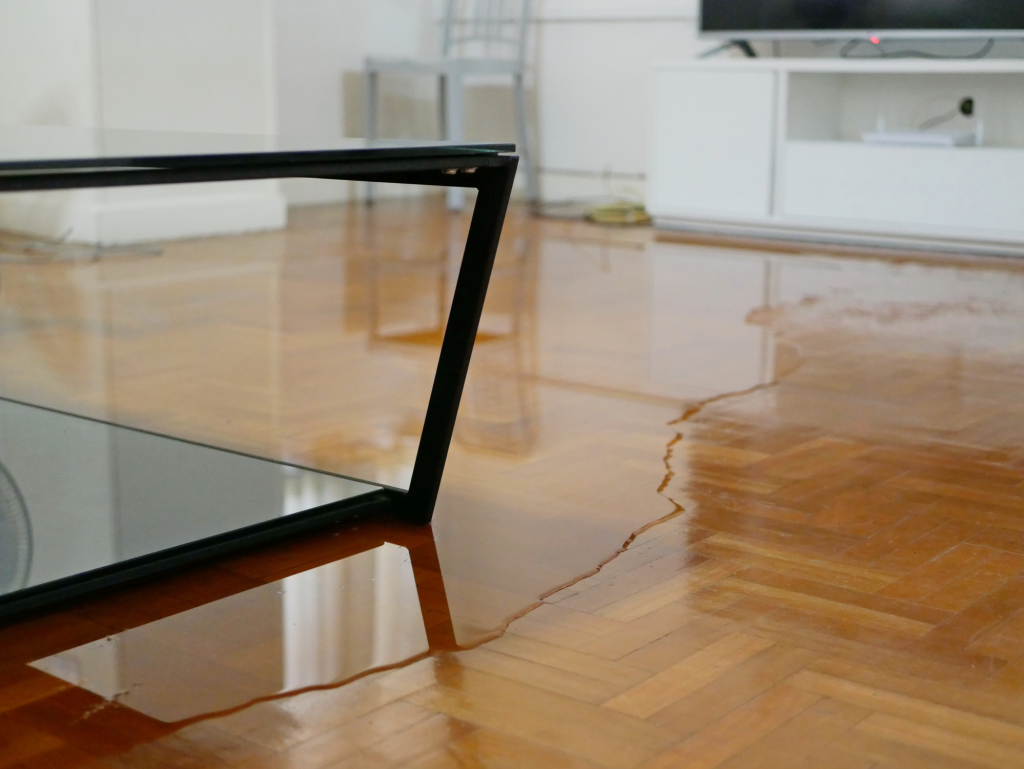 Having water damage in your home is one of the nastiest and most destructive things that can happen to your home. It carries with it possibilities of structural damage, mold growth, loss of your personal possessions, and more. The longer you wait after flooding or water damage occurs, the worse damage it will cause. When it comes to water damage cleanup, there are many things you do to mitigate the damage. Down below are a few of those things you do on your own to make the cleanup as easy as possible. Another essential element of it, though, is contacting the qualified professionals to do all the heavy lifting so you don’t have to. RestorePro in Sandusky, Ohio is one such company.
Safety First
Before you start to do anything in your home after it is flooded, you’ll first need to make sure that it is safe for you to do. First, ensure that the structural integrity of your home was not compromised by the flood at all. Second, many different types of mold potentially hazardous mold can come as a result of static water sitting in your home. As a result, you’ll want to wear protective gloves and a mask while in your home.
Take an Inventory
Taking a careful inventory of all your possessions after a flood is something that will be well worth your time. All you need to do is simply document your valuable belongings. Note the ones that are fine and those that were damaged by the water. This will save you a lot of time and effort with your insurance company down the road.
Remove Excess Water and Begin to Dry Everything Out
When it comes this aspect of cleaning, time is of the essence. Excess water just sitting there in your home is the worst thing that can happen after a flood. This is for a couple of reasons. The longer the water sits there, the more likely it is to seep in deeper to your floor or possessions. The other big reason why it’s so important to remove as quickly as possible is mold. Placid water is basically a breeding ground for mold. The longer it is there the more mold is likely to grow.
The best way to successfully get rid of all the water is to have a sump pump on hand. You can buy a sump pump for just a couple hundred dollars at most local department stores. This is the best way to immediately begin to start getting the excess water out of your home.
Unfortunately, if you ever have water damage or flooding in your home, it will be a mess. It will be a headache to get fixed no matter how you do it. However, if you follow the steps above and most importantly contact a professional restoration company like RestorePro in Sandusky, Ohio. Doing those few simple things will make a headache and stress of water damage cleanup much less painless.