
 419-624-0198

Nobody wakes up expecting to find water pooling across their living room floor or cascading through their ceiling. But here in Northwest Ohio, between frozen pipes in January and spring storm flooding, water damage happens more often than any of us would like. When it does, your first thought after “oh no” is probably “will my insurance cover this?”
The answer depends entirely on how you file your claim. At RestorePro, we’ve worked alongside homeowners throughout Sandusky, Lorain County, and the Firelands Region for over 27 years, and we’ve seen it all – claims that sailed through approval and others that got denied over preventable mistakes. The good news? With the right documentation and approach, you can significantly improve your chances of getting your water damage restoration claim approved.
Let’s walk through exactly how to do it.
Understanding What Your Policy Actually Covers
Before you even pick up the phone to file a claim, you need to know what your homeowners insurance policy actually covers. Not all water damage is created equal in the eyes of insurance companies.
Sudden vs. Gradual Damage
Insurance policies typically cover sudden and accidental water damage. That burst pipe that flooded your basement at 2 AM? Usually covered. The slow leak behind your water heater that’s been dripping for months? Probably not.
The distinction matters because insurers will investigate whether you reasonably should have known about the problem. If they determine the damage resulted from deferred maintenance or neglect, your claim could be denied.
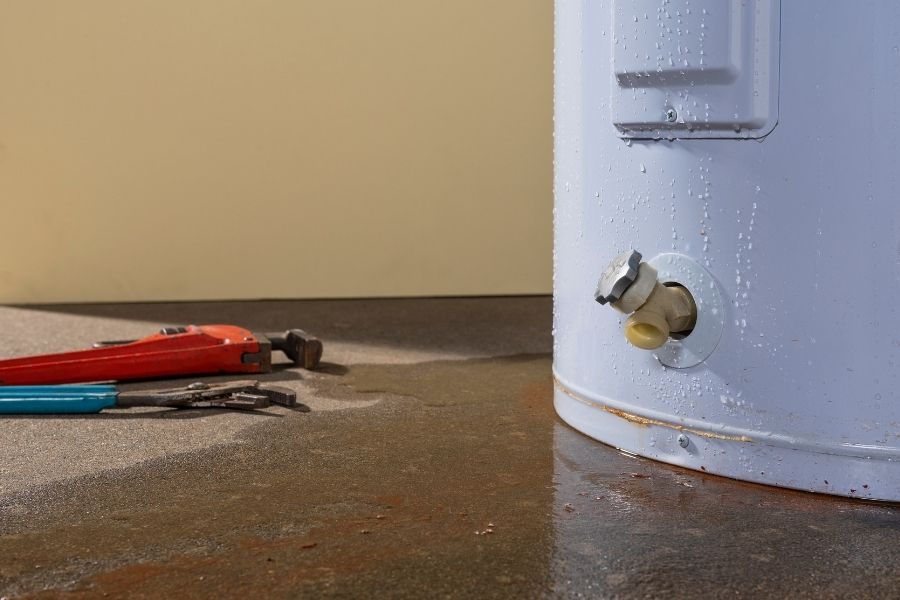
Gradual leaks like this water heater drip are typically not covered by standard homeowners insurance policies, making regular maintenance essential.
Common Covered Scenarios
Most standard homeowners policies cover water damage from:
- Burst or frozen pipes
- Appliance malfunctions (washing machines, water heaters, dishwashers)
- Roof leaks from storm damage
- Overflow from plumbing fixtures
- Accidental discharge from HVAC systems
What’s Usually NOT Covered
Standard policies typically exclude:
- Flood damage (requires separate flood insurance)
- Sewer backup (unless you have an endorsement)
- Gradual leaks or maintenance issues
- Damage from lack of home maintenance
- Mold remediation beyond initial cleanup
Reading your policy might not be anyone’s idea of fun, but spending 20 minutes now could save you thousands later. If you’re unsure about your flood coverage specifically, FEMA’s FloodSmart program provides helpful resources about flood insurance and what’s covered under the National Flood Insurance Program.
Quick Reference: What’s Covered vs. Not Covered
| Usually Covered ✓ | Usually NOT Covered ✗ |
|---|---|
| Burst pipes | Flooding from external sources |
| Sudden appliance leaks | Sewer backup (without endorsement) |
| Storm roof damage | Gradual/maintenance-related leaks |
| Accidental overflow | Neglect or deferred maintenance |
| Frozen pipe damage | Extensive mold (beyond initial cleanup) |
Stop the Water First, Document Everything Second
When water is actively flowing into your home, your first priority is stopping the source. Turn off the water main if needed, move valuables to safety, and contain the spread. But the moment the immediate crisis is under control, your documentation phase begins.
This is where many homeowners make their first mistake. They’re so focused on cleanup that they forget to document the damage thoroughly.
Take Comprehensive Photos and Videos
Your smartphone is your best friend right now. Document everything:
Before you touch anything, photograph the water damage from multiple angles. Get wide shots showing the full extent, then close-ups of specific damage. Include:
- Standing water and its depth
- Damaged walls, floors, and ceilings
- Affected furniture and belongings
- The water source (burst pipe, leaking appliance, etc.)
- Water stains and discoloration
- Timestamps (most phones do this automatically)
Video walkthroughs are incredibly valuable. Narrate as you go, explaining what you’re seeing. “This is our finished basement. As you can see, there’s about two inches of water covering the entire floor. The water is coming from this burst pipe behind the washing machine.”
The more documentation you have, the harder it is for an adjuster to dispute your claim.
Experiencing Water Damage Right Now?
Our team responds within 30-60 minutes to help minimize damage and properly document your claim.
Call Now for Emergency Service
Available 24/7 throughout Northwest Ohio
Contact Your Insurance Company Immediately
Most policies require prompt notification of damage. “Prompt” usually means within 24-48 hours, though check your specific policy. Delays can give insurers grounds to question or deny your claim.
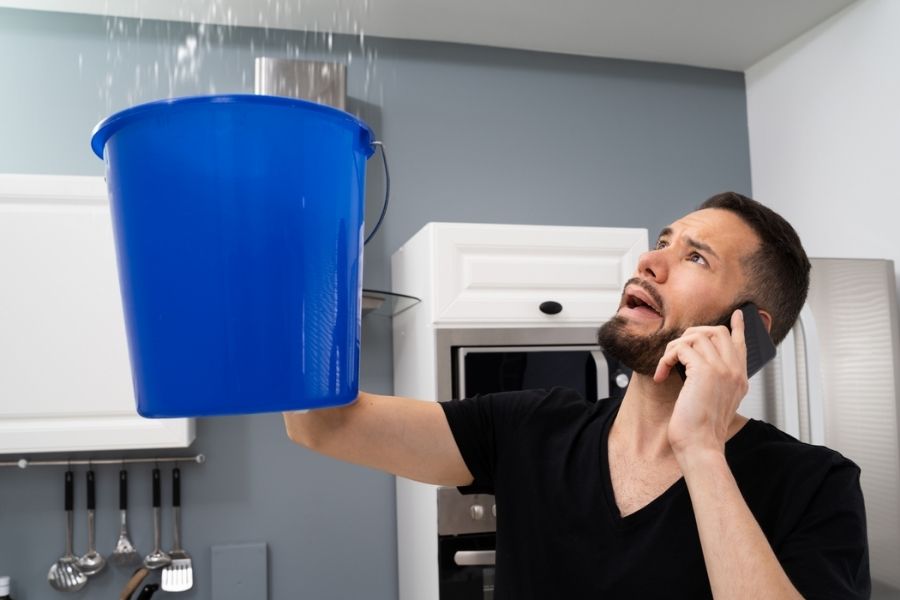
Contacting your insurance company within 24-48 hours of discovering water damage is critical to claim approval.
When you call, have these details ready:
- Your policy number
- Date and time the damage occurred
- Brief description of what happened
- Extent of damage (preliminary estimate)
- Whether you’ve taken emergency mitigation steps
The insurance company will assign you a claim number and an adjuster. Write everything down, including the adjuster’s name, contact information, and claim number.
Take Immediate Mitigation Steps
Here’s something many homeowners don’t realize: you’re required to mitigate further damage. If you don’t, your insurance company can reduce or deny your claim.
Mitigation means taking reasonable steps to prevent additional damage. This includes:
- Extracting standing water
- Moving wet items to dry areas
- Setting up fans and dehumidifiers
- Removing wet carpet padding
- Drying out the structure
This is where professional water damage cleanup services become invaluable. Companies like RestorePro can respond within 30-60 minutes, properly document the damage for insurance purposes, and begin professional mitigation immediately.
Many homeowners wonder about the logistics during this process. If you’re concerned about displacement, check out our article on whether you can stay in your home during water damage restoration.
Important: Keep every receipt. Mitigation costs are typically covered by your insurance, but you need proof of what you spent.
Working With the Insurance Adjuster
The insurance adjuster’s job is to assess the damage and determine what the company will pay. While most adjusters are fair, remember they work for the insurance company, not you. Here’s how to work effectively with them:
Preparing for the Adjuster Visit
Schedule the walk-through as soon as possible. Before they arrive:
- Have your documentation organized and easily accessible
- Create a written inventory of damaged items
- Note any damaged items that had to be immediately discarded (with photos if possible)
- Have repair estimates ready if you’ve already obtained them
During the inspection, walk through with the adjuster. Point out all damage, even things that might seem minor. Once they leave, it’s much harder to add items to the claim.
Common Mistakes During Adjuster Meetings
Don’t speculate about the cause if you’re not certain. Saying “I think this might have been leaking for a while” could inadvertently suggest gradual damage that’s not covered.
Don’t minimize the damage. Some homeowners downplay issues thinking they’re being reasonable, only to regret it when repair costs come in higher than the settlement.
Don’t sign anything immediately. Take time to review the adjuster’s estimate. If something seems off, you have the right to question it.
Documentation That Strengthens Your Claim
Beyond photos and videos, several types of documentation can significantly strengthen your claim:
Professional Assessment Reports
Having a professional restoration company assess the damage provides third-party validation of the extent and cause. At RestorePro, when we respond to water damage emergencies throughout Erie County, Seneca County, and surrounding areas, we create detailed documentation that includes:
- Moisture readings
- Affected materials
- Necessary remediation steps
- Timeline for restoration
These reports carry weight with insurance adjusters because they come from certified professionals following IICRC standards, the recognized industry benchmark for water damage restoration.
Documentation Hierarchy: What Carries the Most Weight
IICRC-certified reports with moisture readings, scope of damage, and industry-standard remediation plans
Comprehensive visual documentation taken before any cleanup begins
Detailed repair estimates from multiple contractors with itemized costs
Written list of damaged belongings with purchase dates, costs, and receipts when available
All emergency service receipts, repair invoices, and expense documentation
Detailed Item Inventory
For damaged belongings, create a comprehensive inventory with:
- Description of each item
- Purchase date (approximate if you don’t remember exactly)
- Original purchase price
- Photos showing the damage
- Receipts or proof of purchase (if available)
Yes, this is tedious. But it’s the difference between getting $500 for “furniture” versus getting proper replacement value for your $1,200 couch, $800 coffee table, and $600 end tables.
Repair Estimates From Licensed Contractors
Get written estimates from at least two licensed contractors. These should detail:
- Specific repairs needed
- Materials required
- Labor costs
- Timeline
Insurance companies often have preferred contractors, but you’re not required to use them. Having independent estimates gives you leverage if the adjuster’s estimate seems too low.
Understanding Actual Cash Value vs. Replacement Cost
Your policy either covers actual cash value (ACV) or replacement cost value (RCV). The difference is massive.
Actual Cash Value means depreciated value. Your five-year-old carpet might have cost $3,000 new, but with depreciation, the insurer might only pay $1,200.
Replacement Cost Value means the cost to replace with similar new items, regardless of age or condition.
If you have RCV coverage, the insurance company typically issues two payments. The first is the ACV amount. After you complete repairs and submit receipts, they issue the second payment covering the depreciation. Many homeowners don’t realize this and never claim the second payment, leaving thousands of dollars on the table.
Understanding the full scope of repair costs is essential for maximizing your claim. To learn more about typical water damage repair expenses in our region, read our guide on the real cost to repair water damage in Ohio homes.
Common Reasons Water Damage Claims Get Denied
Understanding why claims get denied helps you avoid these pitfalls:
Maintenance and Neglect
If the adjuster determines you should have prevented the damage through reasonable maintenance, your claim may be denied. Examples:
- Burst pipes that corroded over time
- Roof leaks from missing shingles you never replaced
- Water heater failure beyond its expected lifespan
Homeowners in places like Lorain, Elyria, and Fremont know that maintaining homes in Ohio’s climate requires vigilance. Regular maintenance records can help prove you weren’t negligent.
Delayed Reporting
If you knew about damage and waited too long to report it, insurers may argue the delay made things worse. Document when you discovered the damage and report it immediately.
Excluded Perils
Make sure the damage falls within covered perils. Flooding from external water sources, sewer backups without an endorsement, and gradual damage are commonly excluded.
Insufficient Documentation
Claims with poor documentation are easy targets for denial or underpayment. When you can’t prove the extent of damage or the value of lost items, adjusters will lowball estimates.
When to Consider Public Adjusters
If your claim is large, complex, or the insurance company is being difficult, hiring a public adjuster might be worth considering. Unlike company adjusters, public adjusters work for you. They handle the entire claims process for a percentage of your settlement (typically 5-15%).
Public adjusters are particularly valuable when:
- Your claim is worth over $25,000
- The insurance company has denied your claim
- You’re uncomfortable negotiating
- The damage involves complex structural issues
For most residential water damage claims in the $5,000-$20,000 range, working directly with the insurance company while using a reputable restoration contractor for documentation and repairs is usually sufficient.
The Role of Professional Restoration Companies
Professional restoration companies do more than extract water and dry your home. They serve as crucial partners in the insurance claims process.
When you work with experienced professionals like the team at RestorePro, you get:
- Immediate emergency response to minimize damage
- Proper documentation that adjusters respect
- Industry-standard moisture readings and reports
- Direct communication with insurance adjusters
- Knowledge of what should be covered
We’ve been serving the Firelands Region for over 27 years, and we’ve worked with virtually every insurance company. We know what documentation they need, what standards they expect, and how to present information that supports your claim without overstepping.
Plus, getting professionals involved immediately demonstrates to your insurance company that you took mitigation seriously. Contact us anytime for 24/7 emergency response.
Appealing a Denied Claim
If your claim gets denied, don’t assume it’s final. You have options:
Review the denial letter carefully. Insurance companies must explain why they denied your claim. Understanding their reasoning helps you craft an effective appeal.
Gather additional evidence. Sometimes claims are denied due to insufficient documentation. Collect more photos, get professional assessments, or obtain additional repair estimates.
File a formal appeal. Most insurance companies have an internal appeals process. Submit a written appeal with supporting documentation explaining why the denial was incorrect.
Consider mediation or arbitration. Many policies include provisions for dispute resolution outside of court.
Consult an attorney. For large claims or cases of bad faith denial, an attorney specializing in insurance claims may be necessary.
Checklist: Filing a Water Damage Insurance Claim
To make this process easier, here’s a comprehensive checklist you can follow:
Immediate Actions:
- ☐ Stop the water source
- ☐ Ensure safety (electricity, structural concerns)
- ☐ Take extensive photos and videos
- ☐ Begin water extraction and drying
- ☐ Move valuable items to safety
- ☐ Document everything you do
Within 24 Hours:
- ☐ Contact your insurance company
- ☐ Document your call (date, time, claim number, adjuster name)
- ☐ Schedule emergency restoration services
- ☐ Continue documenting damage
- ☐ Start creating damaged item inventory
Before Adjuster Visit:
- ☐ Organize all photos and videos
- ☐ Complete detailed inventory of damaged items
- ☐ Obtain initial repair estimates
- ☐ Have receipts for emergency mitigation expenses
- ☐ Create written timeline of events
During and After Adjuster Visit:
- ☐ Walk through property with adjuster
- ☐ Point out all damage
- ☐ Ask questions about coverage
- ☐ Get copies of adjuster’s notes and estimates
- ☐ Review settlement offer carefully
- ☐ Keep all receipts for repairs and replacements
For Settlement:
- ☐ Get multiple contractor bids
- ☐ Submit all receipts promptly
- ☐ Follow up on replacement cost value payments
- ☐ Keep records of all communications
- ☐ Document completed repairs
FAQ: Water Damage Insurance Claims
Q: How quickly do I need to file a water damage claim?
A: Most policies require notification within 24-48 hours of discovering the damage, though the exact timeframe varies by policy. Even if you’re unsure about filing a claim, it’s better to report the damage and decide later whether to proceed. Delayed reporting can give insurers grounds to deny your claim.
Q: Will filing a water damage claim raise my insurance rates?
A: It depends on several factors including your claims history, the size of the claim, and your insurance company’s policies. A single claim might not affect your rates significantly, especially if it’s your first claim in several years. However, multiple claims within a few years typically will result in rate increases. For smaller damages under $2,500-$5,000, some homeowners choose to pay out of pocket to avoid potential rate increases.
Q: Can I choose my own contractor for water damage restoration instead of using the insurance company’s preferred vendor?
A: Yes. While insurance companies often suggest preferred contractors, you have the legal right to choose your own restoration company. The key is ensuring whoever you hire is properly licensed, insured, and follows industry standards. Companies with IICRC certification and local reputation, like RestorePro serving Sandusky and the broader Northwest Ohio region, can work directly with your insurance company while advocating for your interests.
Q: What if the insurance company’s estimate is much lower than my contractor’s estimate for water damage repairs?
A: This is common. Insurance adjusters sometimes miss items or underestimate costs. Have your contractor create a detailed line-by-line comparison showing what the adjuster missed. Request a reinspection if necessary. You can also obtain a second independent estimate. Document why the higher estimate is accurate, including specific damage the adjuster didn’t account for. If you still can’t reach agreement, your policy may have provisions for appraisal or dispute resolution.
Need Help With Your Water Damage Claim?
Water damage is stressful enough without insurance complications making things worse. By documenting thoroughly, responding quickly, working with professionals, and understanding your policy, you can navigate the claims process successfully and get your home back to normal.
Remember, our team at RestorePro is here to help not just with the restoration work, but with supporting your insurance claim every step of the way. We’ve been part of the Sandusky community for over 27 years, and we know exactly what local homeowners face when dealing with water damage and insurance claims. Whether you’re in Port Clinton, Cleveland, or anywhere in between, we’re ready to respond within 30-60 minutes.
Because when water damage strikes, having experienced professionals in your corner makes all the difference.